


Uniting for a Stronger Future
Haitian nationalism was born from the struggle for independence against colonial powers. The victory of the Haitian Revolution in 1804 not only established Haiti as the first black republic but also ignited a sense of national pride and self-determination that remains strong today.
Featuring a palm tree topped with the Phrygian cap of liberty, flanked by cannons, and surrounded by national symbols, the coat of arms represents Haiti’s fight for freedom and its commitment to sovereignty.
“La Dessalinienne,” named after Jean-Jacques Dessalines, is a powerful anthem that calls for unity and vigilance in protecting the nation.
Sites like the Citadelle Laferrière and the Iron Market in Port-au-Prince serve as reminders of Haiti’s rich history and its ongoing journey towards national strength and unity.
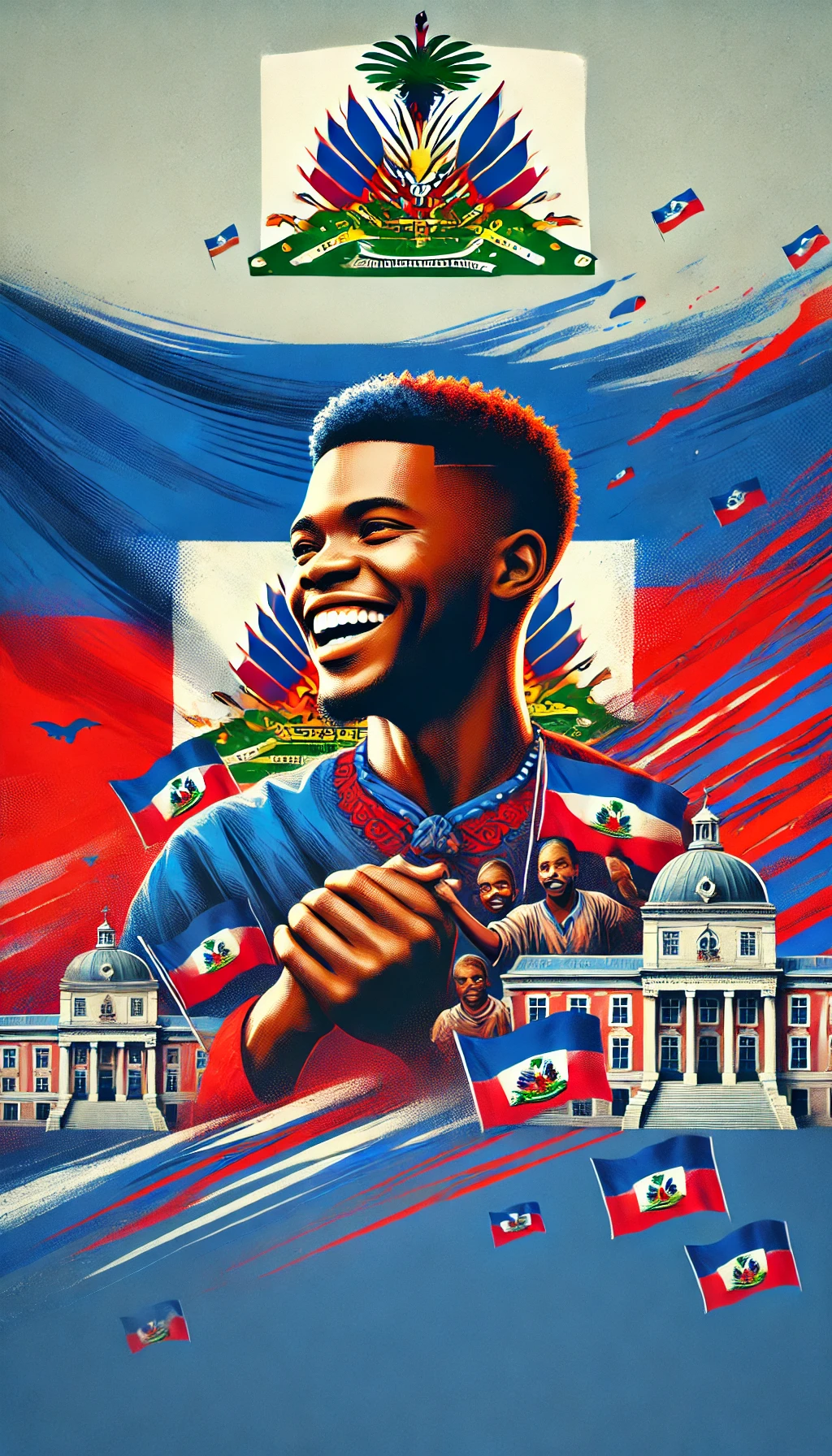
Nationalism manifests in various aspects of Haitian society:
Political parties and movements often draw on nationalist and patriotic sentiments to mobilize support and advocate for policies that protect and promote Haitian interests.
National identity, Haitianity, and their spiritual aspirations are expressed through art, music, literature, and festivals. Haitians express their national identity and celebrate their cultural heritage.
Efforts to boost local industries and reduce dependency on foreign aid reflect the nationalist desire for economic self-sufficiency and empowerment.
Education plays a pivotal role in fostering a sense of nationalism among the youth. Schools emphasize the importance of Haiti’s history, the value of its cultural heritage, and the significance of maintaining national sovereignty.
The Haitian expatriates contribute significantly to the nation’s sense of nationalism. Through remittances, cultural events, and advocacy, Haitians abroad support their homeland and help preserve its national identity. Additionally, expatriates contribute to the nation’s sense of sharing and sense of accomplishment.
Embrace the spirit of nationalism. Engage in cultural activities, support local businesses, and participate in national events. Together, we can strengthen Haiti’s sovereignty and ensure its continued growth and success.

Patriotisme, or patriotism, is one of the core components of Haitianism. It represents the deep love, respect, and commitment that Haitians have for their country. This sense of pride is woven into the fabric of Haiti’s history, culture, and daily life, driving the collective spirit of the Haitian people.