


Unity and Strength Across Continents
Pan-Africanism has deep historical roots, emerging as a response to the challenges faced by African people due to colonization, slavery, and systemic oppression. Haiti’s own history, marked by the successful slave revolt that led to independence in 1804, has significantly contributed to the Pan-African movement and inspired other nations.
The belief that all people of African descent are interconnected and should work together to achieve common goals.
Advocating for the right of African people to determine their own political, social, and economic futures.
Celebrating and preserving the rich cultural heritage and traditions of African people.
Standing against racism, colonialism, and all forms of discrimination and exploitation.
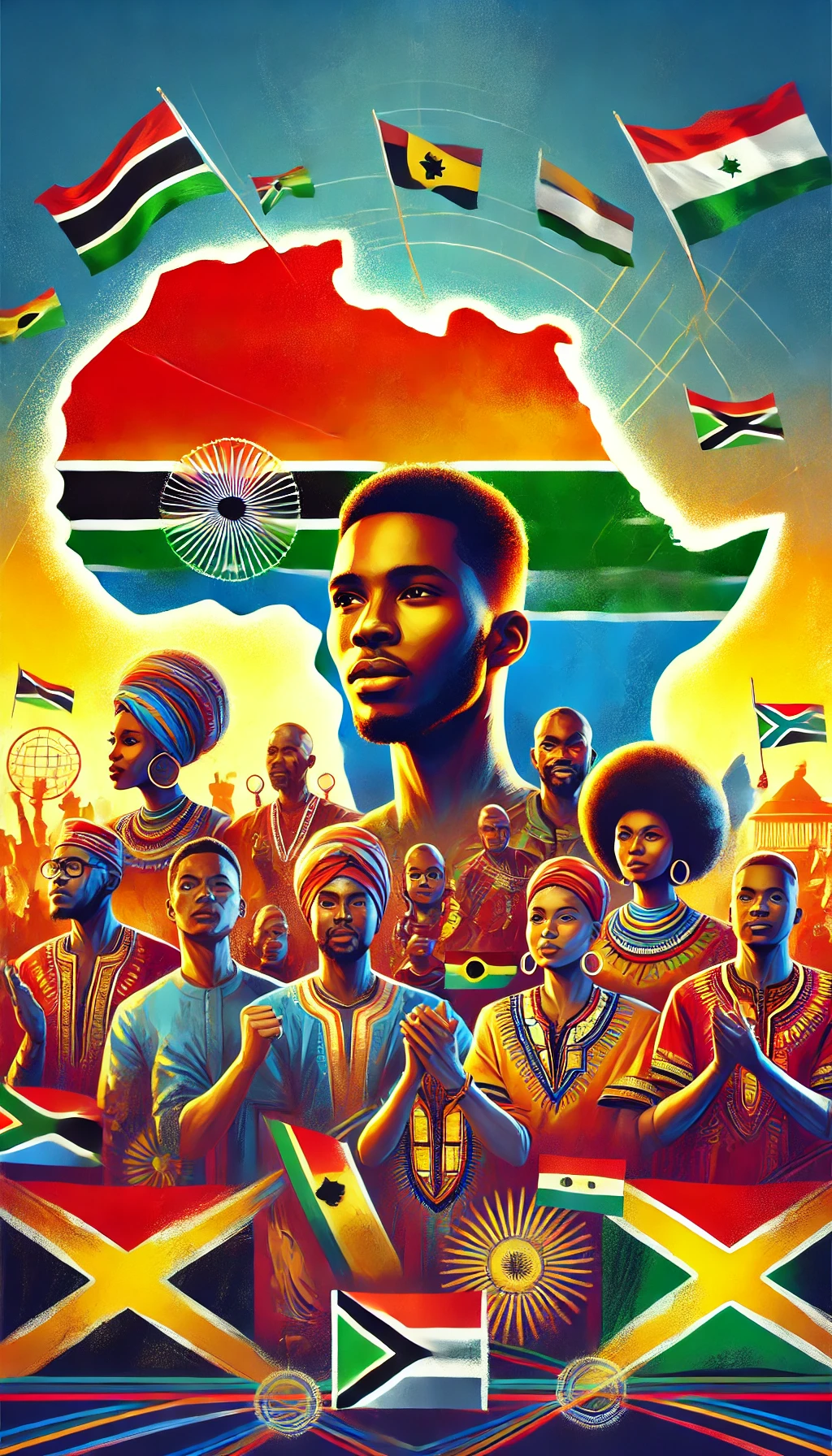
Haiti has played a significant role in the Pan-African movement:
Haiti’s successful fight for independence has inspired numerous liberation movements across Africa and the African expatriates.
Haiti has historically supported other nations in their struggles for freedom and justice, demonstrating solidarity and commitment to Pan-African ideals.
Haitian culture, deeply rooted in African traditions, continues to influence and enrich the global African expatriates.
Schools and universities in Haiti emphasize the importance of Pan-Africanism, teaching students about their shared history and the significance of unity and solidarity.
Festivals, art exhibitions, and cultural exchanges celebrate African heritage and promote a sense of belonging among people of African descent.
Haitian leaders and activists continue to advocate for policies that support the rights and advancement of African people globally.
While Pan-Africanism faces challenges such as political fragmentation and economic disparities, it also presents numerous opportunities for collaboration and growth. By fostering stronger connections within the African expatriates, there is potential for significant cultural, economic, and political advancements.
Pan-Africanism is more than an ideology; it is a powerful movement that unites people of African descent across the globe. By embracing Pan-Africanism, Haitians honor their heritage, celebrate their cultural identity, and contribute to a shared vision of progress and liberation. This commitment to unity and solidarity strengthens not only Haiti but also the global African community.
Join us in promoting Pan-Africanism. Engage in cultural exchanges, support African-led initiatives, and advocate for the rights and advancement of African people. Together, we can build a stronger, more united global community.

Patriotisme, or patriotism, is one of the core components of Haitianism. It represents the deep love, respect, and commitment that Haitians have for their country. This sense of pride is woven into the fabric of Haiti’s history, culture, and daily life, driving the collective spirit of the Haitian people.